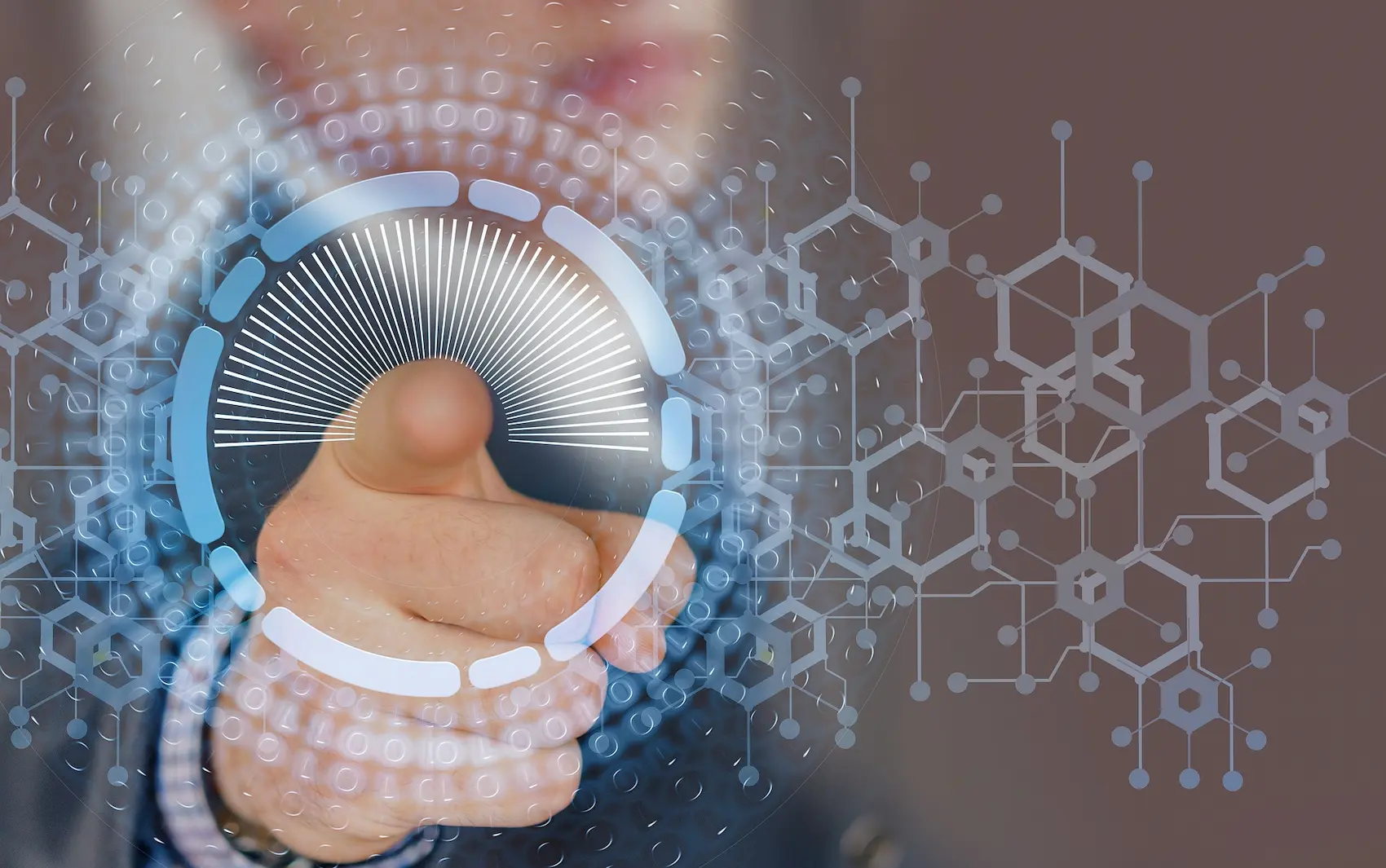
Let’s be honest for a second, AI is no longer “the future.”(Future Trends in AI Security ) It’s already here, sitting quietly inside dashboards, automating decisions, predicting customer behavior, and sometimes… making us slightly uncomfortable with how much it knows. But here’s the catch: as AI grows smarter, so do the threats around it. For corporates, this isn’t just a tech upgrade conversation anymore. It’s a survival strategy. So what does the future of AI security actually look like? Where are things headed, and what should businesses start preparing for right now? Let’s dig into it without the robotic jargon.
The AI Security Landscape Is Changing (Faster Than Expected)
A few years ago, cybersecurity mostly meant firewalls, antivirus software, and maybe a decent password policy. Today? That’s barely scratching the surface. AI systems introduce entirely new vulnerabilities:
- Data poisoning attacks
- Model inversion threats
- Adversarial inputs
- Unauthorized AI decision manipulation
Sounds complex? It is. But the real issue isn’t complexity; it’s speed. AI evolves quickly. Threats evolve even faster. And corporates? They’re often stuck somewhere in between.
Future Trends in AI Security
1. AI vs AI: The Rise of Autonomous Defense Systems
Here’s something fascinating: the future of AI security isn’t just humans defending systems; it’s AI defending against AI. Think of it like a digital chess match. On one side: malicious AI trying to exploit systems. On the other: defensive AI learning, adapting, and responding in real time.
What this means for corporates
- Security systems will become self-learning
- Threat detection will happen in milliseconds
- Human intervention will decrease (but not disappear)
Imagine your system spotting a threat before it fully forms. That’s where things are heading. And honestly? It’s both impressive and a little unsettling.
2. Zero Trust Architecture Will Become Non-Negotiable
If there’s one phrase you’ll hear a lot in the coming years, it’s this: “Never trust, always verify.” Zero Trust isn’t new, but AI is making it essential.
Why?
Because AI systems often operate across multiple platforms, datasets, and user inputs. That creates more entry points… and more risk.
Future trends in Zero Trust + AI:
- Continuous identity verification
- Behavioral biometrics (how users act, not just who they are)
- Micro-segmentation of networks
In simple terms: even if someone looks like they belong, the system will still double-check. Paranoid? Maybe. Necessary? Absolutely.
3. Explainable AI (XAI) Will Become a Security Requirement
Here’s a question that’s been quietly bothering a lot of experts: What happens when AI makes a decision… and no one understands why? That’s where Explainable AI comes in. Corporates won’t just need AI that works; they’ll need AI that explains itself.
Why this matters for security:
- Detecting unusual decision patterns
- Identifying manipulated models
- Ensuring compliance with regulations
If an AI system suddenly approves a risky transaction or flags normal behavior as suspicious, companies need answers, not guesses. And in the future, regulators will demand those answers too.
4. AI Supply Chain Attacks Will Rise
We often talk about software supply chains, but AI has its own version. AI models rely on:
- Pre-trained datasets
- Third-party APIs
- External machine learning frameworks
Now imagine if any one of those components is compromised. That’s an AI supply chain attack.
What’s coming next:
- More attacks targeting training data
- Hidden backdoors in pre-trained models
- Compromised AI development tools
Corporations will need to audit not just their software, but their AI ecosystems. And honestly, that’s a much bigger job.
5. Privacy-Preserving AI Will Become the Standard
Data is the fuel of AI. But it’s also the biggest risk. Customers are becoming more aware. Regulations are getting stricter. And companies? They’re stuck trying to balance innovation with privacy.
Enter privacy-preserving AI techniques:
- Federated learning
- Differential privacy
- Secure multi-party computation
These allow AI systems to learn without exposing sensitive data.
Why corporates will adopt this:
- To comply with global data laws
- To build customer trust
- To reduce breach impact
In the future, companies that don’t prioritize privacy will stand out and not in a good way.
6. Deepfake Detection Will Become a Corporate Priority
Deepfakes aren’t just internet curiosities anymore. They’re being used in:
- Financial fraud
- Corporate impersonation
- Social engineering attacks
Imagine receiving a video call from your CEO asking for urgent action… and it’s completely fake. Scary, right?
Future AI security focus:
- Real-time deepfake detection tools
- Voice and video authentication systems
- AI-based media verification
Corporations will need to verify not just emails but faces and voices too.
7. Regulatory Pressure Will Intensify
Let’s talk about something many companies try to avoid: regulation. AI is becoming too powerful to remain unregulated. Governments worldwide are stepping in, and this will directly impact corporate AI security strategies.
What to expect:
- Mandatory AI risk assessments
- Transparency requirements
- Strict penalties for AI misuse
Corporations won’t just secure AI because they want to; they’ll do it because they have to. And honestly, that might not be a bad thing.
8. Human + AI Collaboration Will Define Security Teams
Despite all the automation, humans aren’t going anywhere. In fact, they’re becoming more important. AI can detect patterns, but humans bring the following:
- Context
- Judgment
- Ethical reasoning
The future security team will look like this:
- AI tools handling detection and response
- Humans focus on strategy and oversight
- Continuous learning environments
It’s not about replacing people, it’s about amplifying them.
9. Cybersecurity Skills Will Shift Dramatically
Here’s something not enough people talk about: The skills required for cybersecurity are changing. Traditional roles are evolving into hybrid ones.
Future in-demand skills:
- AI model security
- Data integrity management
- Adversarial machine learning
- Ethical AI governance
Corporations will need to upskill their teams or risk falling behind. And let’s be real, finding talent in this space? Already tough.
10. AI Security Will Become a Competitive Advantage
This might be the most interesting shift of all. Security used to be a backend concern, something customers rarely noticed. That’s changing. In the future, companies will market their AI security. Think about it:
- “We protect your data with advanced AI security.”
- “Our systems are transparent and trustworthy.”
Trust is becoming a selling point. And companies that invest early will have a clear edge.
Where Does TecchnaSaur Fit Into This?
Amid all these rapid changes, companies like TecchnaSaur are stepping into a crucial role. They’re not just building AI solutions; they’re focusing on secure, scalable, and future-ready AI systems for corporates. What makes this important? Because most businesses don’t have the internal expertise to:
- Secure AI pipelines
- Monitor model vulnerabilities
- Implement advanced AI security frameworks
This is where specialized partners come in. And honestly, choosing the right partner might be just as important as choosing the right technology.
What Should Corporations Do Right Now?
All these trends sound big and they are. But you don’t need to do everything at once. Start with the basics:
- Audit your current AI systems
- Identify potential vulnerabilities
- Invest in employee training
- Explore AI security tools
- Partner with experts when needed
And maybe most importantly… Stay curious. Stay updated. Stay slightly skeptical. Because in the world of AI, things change quickly and assumptions can become risks overnight.Learn more at Technisaur abou Our AI-Courses.
Final Thoughts
AI security isn’t just a technical challenge anymore. It’s a business priority, a trust factor, and honestly, a bit of a moving target. The future will bring smarter systems but also smarter threats. And corporates? They’ll need to be smarter than both. It might feel overwhelming at times. That’s normal. But here’s the good news: awareness is already a strong first step. So keep asking questions. Keep learning. And don’t just adopt AI, secure it, understand it, and respect its power. Because the future isn’t just AI-driven. It’s AI-secured.
Frequently Asked Questions (FAQs)
1. What is AI security, and why is it important for corporations?
AI security refers to the strategies and technologies used to protect artificial intelligence systems from threats like data manipulation, model hacking, and unauthorized access. For corporations, it’s crucial because AI systems often handle sensitive data and critical business decisions, making them a prime target for cyberattacks.
2. How is AI changing the future of cybersecurity?
AI is transforming cybersecurity by enabling real-time threat detection, automated responses, and predictive analysis. It allows systems to identify unusual patterns faster than traditional methods, but at the same time, it also introduces new risks that require advanced security measures.
3. What is Zero Trust Architecture in AI security?
Zero Trust Architecture is a security approach based on the principle “never trust, always verify.” In AI systems, it ensures that every user, device, and interaction is continuously authenticated, reducing the chances of unauthorized access and internal threats.
4. What are the biggest AI security threats companies should watch for?
Some of the most critical AI-related threats include data poisoning attacks, adversarial inputs, model inversion, deepfake fraud, and AI supply chain vulnerabilities. These threats are evolving rapidly and require proactive monitoring and defense strategies.
5. How can corporations prepare for future AI security challenges?
Companies can prepare by auditing their AI systems, implementing strong security frameworks like Zero Trust, investing in employee training, adopting privacy-preserving technologies, and partnering with AI security experts to stay ahead of emerging threats.