Cybersecurity conversations usually focus on external attackers. Hackers. Malware groups. Ransomware gangs are operating halfway across the world. And yes, those threats are serious. But oddly enough, some of the most damaging security incidents begin inside an organization. An employee is downloading sensitive files before resigning. A contractor accessing systems they shouldn’t touch. A frustrated insider leaking confidential information. Or sometimes, it’s not even malicious at all, just careless behavior that accidentally exposes critical data. That’s what makes insider threats so difficult. Unlike external cyberattacks, insider threats already have legitimate access to company systems. They know internal processes, understand security gaps, and often bypass traditional perimeter defenses entirely. And honestly, this is exactly why traditional cybersecurity tools struggle to detect them early.
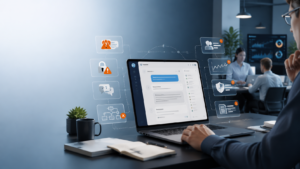
This is where AI-behavioral analytics and insider threat prevention are becoming incredibly important for modern businesses. Artificial intelligence and behavioral analytics technologies help organizations identify unusual user activity, detect risky behavior patterns, and prevent insider threats before they escalate into serious security incidents. Companies like TechnaSaur are increasingly developing AI-powered cybersecurity solutions designed to strengthen internal threat detection while reducing operational risks across modern digital environments. And with remote work, cloud infrastructure, and distributed teams growing rapidly, businesses need that visibility more than ever.
What Is Insider Threat Prevention?
Insider threat prevention refers to cybersecurity strategies designed to identify, monitor, and reduce risks originating from individuals inside an organization. These insiders may include:
- Employees
- Contractors
- Vendors
- Business partners
- Remote workers
- Former staff with lingering access
Insider threats generally fall into three categories:
Malicious Insider Threats
These involve intentional harmful actions, such as data theft, sabotage, espionage, or unauthorized information sharing.
Negligent Insider Threats
Sometimes employees accidentally expose systems through poor security habits, weak passwords, phishing mistakes, or mishandling sensitive data. Honestly, negligence causes more security incidents than many businesses realize.
Compromised Insider Accounts
This occurs when attackers hijack legitimate employee accounts through phishing, credential theft, or malware infections. From a security perspective, compromised accounts often look like normal employee activity initially, making detection difficult. That’s exactly why AI behavioral analytics has become such a valuable cybersecurity tool.
What Is AI Behavioral Analytics?
AI behavioral analytics uses artificial intelligence, machine learning, and user behavior analysis to monitor digital activity patterns continuously. Instead of only relying on static security rules, AI systems learn what “normal” behavior looks like for individual users, devices, and systems. The technology analyzes patterns such as:
- Login behavior
- File access activity
- Data transfer behavior
- Device usage patterns
- Email interactions
- Cloud application access
- Geographic login locations
- System privilege usage
Once the system establishes baseline behavior, it can identify unusual actions that may indicate insider threats or compromised accounts. And honestly, that adaptive intelligence makes a huge difference. Traditional cybersecurity systems often miss subtle insider threats because, technically, the user already has authorized access. AI-behavioral analytics focuses on how access is being used rather than simply whether access exists.
Why Traditional Insider Threat Detection Struggles
Traditional security tools were largely designed to stop external attacks. Firewalls, antivirus software, and intrusion detection systems work well for blocking unauthorized outsiders. But insider threats are much more complicated because the activity often appears legitimate on the surface.
For example:
- An employee accessing sensitive files may seem normal
- A manager downloading reports may not trigger alerts
- A remote login might appear valid initially
But AI systems examine context and behavior patterns more deeply. If an employee suddenly downloads massive amounts of confidential data at unusual hours before resigning, behavioral analytics can flag the activity immediately. Traditional systems might completely overlook that behavior. And honestly, that’s where many organizations run into trouble.
How AI Behavioral Analytics Detects Insider Threats
AI-driven insider threat prevention systems continuously monitor user behavior and compare activity against established baselines. When abnormal behavior appears, the system generates alerts or triggers automated security responses.
User Behavior Analytics (UBA)
User Behavior Analytics, often called UBA, is one of the most important components of AI-driven insider threat detection. UBA systems track:
- Login frequency
- Device usage habits
- Application access patterns
- File movement behavior
- Network activity
- Administrative actions
Machine learning algorithms then analyze whether behavior deviates significantly from normal patterns.
For example:
- An employee suddenly accessing systems outside their department
- Unusual midnight login attempts
- Large-scale file downloads
- Repeated failed authentication attempts
These subtle anomalies may indicate insider misuse or account compromise. Cybersecurity providers like TechnaSaur increasingly integrate AI-powered behavioral analytics into modern security frameworks because insider threats rarely follow obvious attack patterns.
Risk Scoring and Threat Prioritization
AI systems don’t simply generate endless alerts. Well-designed behavioral analytics platforms assign risk scores based on multiple factors, including:
- Sensitivity of accessed data
- Severity of behavioral deviation
- User privileges
- Historical behavior patterns
- Current threat intelligence
This helps security teams prioritize high-risk incidents instead of wasting time reviewing harmless anomalies. And honestly, reducing unnecessary alerts matters a lot because alert fatigue is a real problem inside modern security operations centers.
Real-Time Monitoring and Automated Response
One of the biggest advantages of AI-driven insider threat prevention is speed. Manual investigations take time. AI systems monitor environments continuously in real time. When suspicious behavior appears, automated responses may include:
- Triggering security alerts
- Requiring additional authentication
- Restricting account access
- Blocking sensitive file transfers
- Isolating compromised devices
- Escalating incidents to security teams
This rapid response capability helps organizations contain threats before major damage occurs. And in cybersecurity, early containment often determines whether an incident becomes manageable or catastrophic.
AI Behavioral Analytics in Remote Work Environments
Remote work has dramatically expanded insider threat risks. Employees now access systems from:
- Home networks
- Personal devices
- Public Wi-Fi connections
- Cloud applications
- Multiple geographic locations
That flexibility improves productivity, but it also reduces traditional security visibility. AI-behavioral analytics helps organizations monitor remote access behavior more intelligently. For example, systems can identify the following:
- Suspicious geographic logins
- Abnormal cloud storage usage
- Unusual VPN activity
- Unauthorized file sharing
- Access attempts outside normal working hours
Companies implementing AI cybersecurity solutions through providers like TechnaSaur often gain stronger visibility into remote workforce activity without relying solely on rigid manual oversight.
Reducing False Positives With Machine Learning
Traditional insider threat detection systems often generate excessive false positives. Security teams receive constant alerts for harmless activity, which creates operational overload and slows down response efforts. AI systems improve detection accuracy through machine learning and contextual analysis. Instead of treating every unusual action as equally dangerous, behavioral analytics platforms evaluate broader context before escalating alerts. That means fewer unnecessary investigations and better operational efficiency for cybersecurity teams. Honestly, this is one of the most underrated advantages of AI-powered cybersecurity systems.
Protecting Sensitive Data With AI Analytics
Data protection remains one of the biggest priorities in insider threat prevention. AI-behavioral analytics helps organizations monitor the following:
- Sensitive document access
- Database activity
- File transfers
- USB device usage
- Cloud storage behavior
- Email attachments
If unusual data movement patterns appear, AI systems can trigger immediate security controls or investigations. This is especially important for industries managing:
- Financial records
- Healthcare data
- Intellectual property
- Customer information
- Government systems
Data breaches involving insiders can create enormous legal, financial, and reputational consequences.
The Role of Human Oversight
Now, despite all the advantages of AI-driven analytics, human expertise still matters significantly. And honestly, probably always will. AI systems are excellent at identifying anomalies and analyzing massive datasets rapidly. But humans provide:
- Business context
- Ethical judgment
- Strategic risk assessment
- Incident coordination
- Compliance interpretation
The most effective insider threat prevention strategies combine AI-powered automation with experienced cybersecurity professionals overseeing response efforts. This hybrid security approach is increasingly central to platforms developed by TechnaSaur and similar cybersecurity providers.
Challenges of AI Behavioral Analytics
AI insider threat prevention systems are powerful, but implementation still comes with challenges.
Privacy Concerns
Employee monitoring must balance security needs with privacy protections and legal compliance requirements.
Data Quality Issues
AI systems rely heavily on accurate and complete data for effective analysis.
Complex Integration
Integrating behavioral analytics across cloud platforms, endpoints, and legacy systems can become technically challenging.
Initial Learning Periods
Machine learning systems require time to establish normal behavioral baselines before detection accuracy improves fully.
Still, despite these challenges, AI-driven insider threat prevention continues growing rapidly because traditional monitoring methods simply cannot keep pace with modern digital environments.
Best Practices for AI Insider Threat Prevention
Organizations looking to strengthen insider threat protection should focus on several important practices.
Implement Continuous Monitoring
Real-time behavioral analytics improves visibility across users, systems, and applications.
Limit Excessive Access Privileges
Employees should only access systems and data necessary for their roles.
Train Employees Regularly
Security awareness training helps reduce negligent insider risks significantly.
Combine AI With Zero-Trust Security
Zero-trust frameworks strengthen authentication and access verification continuously.
Maintain Strong Incident Response Plans
Organizations should establish clear workflows for investigating and responding to insider threat alerts.
The Future of AI Behavioral Analytics
Cybersecurity is becoming increasingly behavior-focused. Future AI behavioral analytics systems will likely include:
- Predictive insider risk modeling
- Adaptive authentication systems
- Emotional and sentiment analysis indicators
- Real-time behavioral risk scoring
- Autonomous response capabilities
As AI technology evolves, insider threat prevention will become faster, smarter, and more predictive. Companies investing in advanced behavioral analytics platforms today, including solutions developed by TechnaSaur, may position themselves far more effectively against evolving internal cybersecurity risks.
Final Thoughts
Insider threats remain one of the most difficult cybersecurity challenges businesses face today. Unlike external attackers, insiders already operate within trusted environments. That makes traditional security tools far less effective at identifying suspicious behavior early enough. AI behavioral analytics insider threat prevention changes that dynamic by continuously monitoring activity patterns, identifying anomalies, reducing false positives, and accelerating threat response. But the goal isn’t replacing human security teams entirely. It’s creating smarter cybersecurity operations where AI handles large-scale behavioral analysis while experienced professionals focus on strategic decision-making and risk management. And honestly, in a world where digital environments continue expanding rapidly, organizations that fail to improve internal threat visibility may face risks far greater than they realize. Because sometimes, the most dangerous cybersecurity threats aren’t outside the network at all. They’re already inside it.
Frequently Asked Questions (FAQs)
1. What is AI behavioral analytics in cybersecurity?
AI behavioral analytics uses artificial intelligence and machine learning to monitor user activity patterns across systems, networks, and applications. It identifies unusual behavior that may indicate insider threats, compromised accounts, or suspicious activity. These systems continuously analyze behavior in real time to improve cybersecurity visibility and strengthen threat detection accuracy significantly.
2. How does AI help prevent insider threats?
AI helps prevent insider threats by detecting abnormal user behavior before serious damage occurs. It monitors login patterns, file access, data transfers, and account activity continuously. If unusual actions appear, such as unauthorized downloads or suspicious access attempts, AI systems generate alerts or trigger automated security responses immediately for faster protection.
3. Why are insider threats difficult to detect?
Insider threats are difficult to detect because insiders already have authorized access to company systems and data. Traditional security tools mainly focus on blocking external attacks, not suspicious internal behavior. AI behavioral analytics improves detection by analyzing context, user habits, and unusual activity patterns that might otherwise appear completely legitimate initially.
4. Can AI behavioral analytics reduce false security alerts?
Yes, AI behavioral analytics significantly reduces false positives by using machine learning and contextual analysis. Instead of flagging every unusual action as dangerous, AI systems evaluate broader behavioral patterns and risk factors before escalating alerts. This helps security teams focus on genuine threats while reducing alert fatigue and unnecessary investigations effectively.
5. What industries benefit most from AI insider threat prevention?
Industries managing sensitive information benefit greatly from AI insider threat prevention, including healthcare, finance, government, technology, and cloud-based businesses. These sectors handle confidential customer data, intellectual property, and critical systems regularly. Companies like TechnaSaur use AI-driven behavioral analytics to strengthen internal cybersecurity protection and reduce operational security risks.