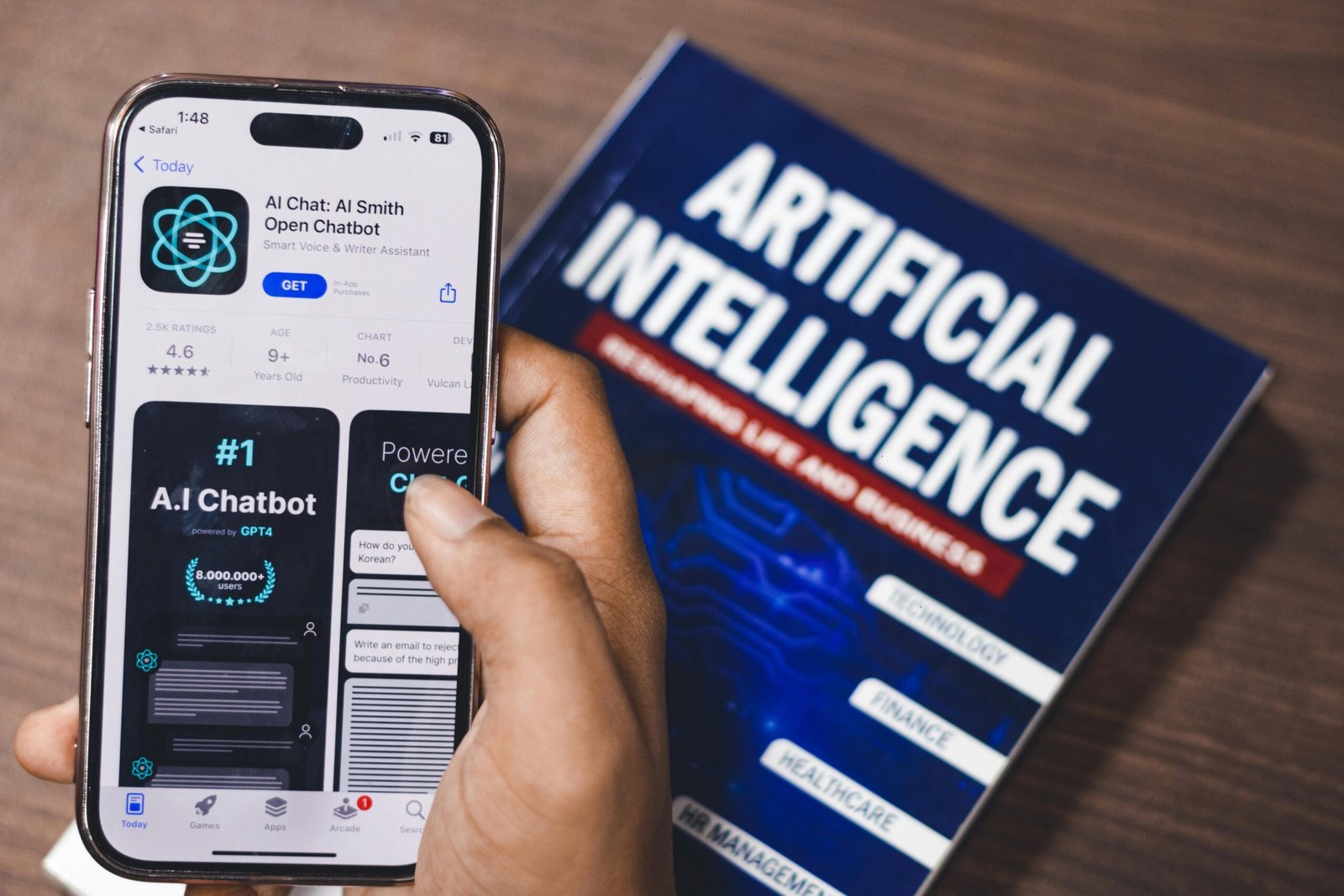
Securing Generative-AI Tools didn’t arrive quietly. One day, teams were drafting emails manually and brainstorming on whiteboards. The next, employees were pasting internal documents into AI tools, asking them to summarize strategies, write code, or “just make this faster.” And honestly? It did make things faster. But it also made security teams nervous. Very nervous. Because while generative AI tools are powerful, flexible, and undeniably useful, they also introduce a brand-new attack surface that most organizations weren’t prepared for.
And if you think your company is immune because “we don’t officially use AI,” you may want to check how many browser tabs your employees have open right now. Let’s talk about what securing generative AI tools in corporate environments actually means without the buzzwords, without panic, and without pretending this problem will solve itself.
The Quiet Explosion of Generative AI at Work
Generative AI adoption inside companies hasn’t followed traditional IT rollout models. There were no long procurement cycles. No security reviews. No staged pilots. It just… happened. An employee discovered ChatGPT. A developer tried Copilot. Marketing experimented with AI-written drafts. HR tested resume screening tools. Suddenly, AI was everywhere, often without approval, governance, or visibility. This phenomenon even has a name now: Shadow AI. And Shadow AI is dangerous not because employees are careless but because they’re trying to be efficient in systems that weren’t designed with enterprise security in mind.
Why Generative AI Creates Unique Security Risks
Traditional software follows predictable patterns. Generative AI does not. Here’s why it’s different:
1. Data Goes Somewhere Even When You’re Not Sure Where
When employees paste proprietary data into a public AI tool, that data leaves your environment. Period. It may be logged. It may be retained. It may be used for model training. Or it may be accessed by third-party subprocessors you’ve never audited. That’s not paranoia. That’s how many AI platforms work. And once sensitive data leaves your controlled perimeter, clawing it back becomes almost impossible.
2. AI Models Can Leak Information in Unexpected Ways
Even private or fine-tuned models aren’t immune. Prompt injection attacks, model inversion, and data reconstruction techniques can extract information that was never meant to be exposed. In plain terms: A clever attacker doesn’t need direct access to your database if they can interrogate your AI model the right way. That should make anyone uncomfortable.
3. Over-Trust AI Output Creates Operational Risk
Security isn’t only about data breaches. It’s also about decision integrity. Generative AI can hallucinate. It can sound confident while being completely wrong. If teams blindly trust AI-generated code, legal language, or security recommendations, the result can be silent failure bugs, compliance violations, or vulnerabilities no one notices until it’s too late.
The Human Factor: Convenience Always Wins (Unless You Plan for It)
Here’s an uncomfortable truth: If security controls slow people down too much, they’ll bypass them. Employees don’t use unsanctioned AI tools because they’re reckless. They use them because they work. They save time. They remove friction. So the real question isn’t “How do we stop people from using generative AI?” It’s “How do we let them use it safely?” That mindset shift matters.
Core Principles for Securing Generative-AI Tools
Before diving into tools and frameworks, let’s get the foundations right.
Principle #1: Visibility Comes Before Control
You can’t secure what you can’t see.
Most organizations don’t even know:
- Which AI tools are employees using
- What data is being shared
- Whether AI access is tied to corporate identities or personal accounts
The first step is discovery network monitoring, browser telemetry, and endpoint visibility that reveals where AI is already embedded in daily workflows. Platforms like TechnaSaur help organizations regain that visibility by mapping AI usage patterns across teams, applications, and access points without disrupting productivity.
Principle #2: Assume AI Is a Data Processor
Every generative-AI tool should be treated like a third-party vendor that processes sensitive information because that’s exactly what it is.
That means:
- Vendor risk assessments
- Data handling reviews
- Retention and deletion policies
- Jurisdiction and compliance checks
If you wouldn’t send customer data to an unknown SaaS provider, you shouldn’t send it to an AI model either.
Principle #3: Security Must Be Built Into Workflows, Not Added Later
Security controls bolted on after AI adoption will always feel restrictive. However, controls embedded into workflows, such as single sign-on, role-based access, prompt filtering, and automated data masking, can be invisible when implemented correctly. Invisible security is the kind that people don’t fight against.
Practical Strategies for Securing AI in Corporate Environments
Let’s get specific.
1. Establish Clear AI Usage Policies (Yes, People Actually Read These If Done Right)
Forget 40-page policy documents.
Effective AI policies are:
- Short
- Scenario-based
- Written in plain language
Instead of saying, “Employees must not share confidential data with AI tools,” say:
“Do not paste contracts, source code, customer records, financial data, or internal credentials into any AI tool unless it’s explicitly approved.”
Clarity beats legal elegance every time.
2. Use Enterprise-Grade AI Platforms Where Possible
Public AI tools are convenient but enterprise versions exist for a reason.
They offer:
- Data isolation
- No training on customer prompts
- Identity-based access
- Audit logs
- Compliance support
When organizations provide secure alternatives, employees are far less likely to rely on risky consumer tools.
3. Implement AI-Aware Data Loss Prevention (DLP)
Traditional DLP wasn’t designed for conversational interfaces. Modern DLP must understand:
- Prompts
- Generated outputs
- Context, not just keywords
Advanced platforms, including solutions aligned with TechnaSaur’s AI security framework, can detect sensitive intent before data leaves the environment, blocking or redacting it in real time.
4. Monitor for Prompt Injection and Model Abuse
Prompt injection is one of the most underestimated AI threats. Attackers manipulate inputs to:
- Override safeguards
- Extract system prompts
- Access restricted functionality
Security teams should treat AI prompts like untrusted user input subject to validation, filtering, and monitoring. Because that’s exactly what they are.
5. Control Access with Identity, Not Just IPs
Who can access AI tools matters more than where they access them from. Best practices include:
- SSO integration
- Role-based permissions
- Context-aware access (device trust, location, risk score)
This ensures that AI access aligns with job responsibilities, not curiosity or convenience.
Compliance, Privacy, and the Regulatory Wake-Up Call
Regulators are paying attention now. GDPR, HIPAA, SOC 2, ISO 27001, and emerging AI-specific regulations all intersect with generative AI usage whether companies realize it or not.
Key compliance risks include:
- Unauthorized data processing
- Lack of explainability
- Inability to delete or retrieve data
- Cross-border data transfers
Security leaders can’t afford to treat AI as a “gray area” anymore. Auditors won’t.
The Role of Security Teams Has Changed
Security teams are no longer just gatekeepers. They’re translators between innovation and risk. The teams succeeding with AI security aren’t the ones blocking tools outright. They’re the ones enabling safe experimentation, setting guardrails, and working with the business instead of against it. Platforms like TechnaSaur support this shift by providing AI-specific threat intelligence, policy enforcement, and real-time risk insights, allowing security teams to guide adoption rather than chase it.
Common Mistakes Companies Make (And Regret Later)
Let’s be honest, most organizations stumble at first. Here are the big ones:
- Ignoring Shadow AI and hoping it goes away
- Over-restricting access, driving usage underground
- Assuming vendors handle security for you
- Failing to train employees on AI-specific risks
- Treating AI incidents like traditional breaches
AI incidents don’t always look dramatic. Sometimes the damage is slow, quiet, and discovered months later. Those are the hardest to fix.
Training Employees: The Most Underrated Control
You can deploy all the tooling you want, but if employees don’t understand why AI security matters, they’ll make mistakes. Effective training focuses on:
- Real examples
- Practical do’s and don’ts
- Short, repeatable sessions
- Non-technical language
When people understand the stakes, they’re far more likely to self-regulate.
What the Future of AI Security Looks Like
Generative AI isn’t slowing down. Neither are attackers. The future will demand:
- AI-native security tools
- Continuous model risk assessment
- Automated policy enforcement
- Cross-functional collaboration between IT, legal, and security
- Vendors like TechnaSaur that specialize specifically in AI-driven threat landscapes
Security teams that adapt now will be ahead. Those who wait will be reacting under pressure.
Final Thoughts (FAQ):
Generative AI is not the enemy. Unmanaged AI is. With the right visibility, governance, and mindset, organizations can enjoy the productivity gains of AI without sacrificing security, privacy, or trust. And maybe that’s the real goal not locking innovation down, but guiding it safely forward. Because AI isn’t going away. The question is whether your security strategy is ready for it. Why is securing generative AI important for enterprises? Securing generative AI is critical because these tools process large volumes of sensitive corporate data. Without proper controls, organizations risk data leakage, compliance violations, and model exploitation. TechnaSaur helps enterprises secure AI adoption by providing visibility, governance, and AI-specific threat protection across corporate environments.
Frequently Asked Questions (FAQs)
1. What are the biggest security risks of using generative AI at work?
Generative AI is not the enemy. Unmanaged AI is. With the right visibility, governance, and mindset, organizations can enjoy the productivity gains of AI without sacrificing security, privacy, or trust. And maybe that’s the real goal not locking innovation down, but guiding it safely forward. Because AI isn’t going away. The question is whether your security strategy is ready for it. Why is securing generative AI important for enterprises? Securing generative AI is critical because these tools process large volumes of sensitive corporate data. Without proper controls, organizations risk data leakage, compliance violations, and model exploitation. TechnaSaur helps enterprises secure AI adoption by providing visibility, governance, and AI-specific threat protection across corporate environments.
2. How can companies manage Shadow AI usage by employees?
Shadow AI can be managed through visibility, clear policies, and secure alternatives. Instead of blocking AI outright, organizations should monitor usage patterns and provide approved AI tools. TechnaSaur enables enterprises to detect unsanctioned AI activity and guide employees toward compliant, secure AI workflows.
3. Can generative AI tools comply with data protection regulations like GDPR?
Yes, but only with proper governance. Compliance depends on data handling, retention controls, access management, and auditability. Without oversight, AI usage may violate GDPR or other regulations. TechnaSaur supports compliance by enforcing data controls, maintaining audit logs, and aligning AI usage with regulatory requirements.
4. How does TechnaSaur help secure generative AI in corporate environments?
TechnaSaur provides AI-focused security solutions that deliver real-time visibility, policy enforcement, and threat detection for generative AI tools. By integrating AI security into existing enterprise workflows, TechnaSaur enables organizations to innovate confidently while maintaining control, compliance, and trust.